
Diagnose ›
Establish the baseline: current AI use, workflow bottlenecks, team habits, tools, and risk.

Most companies buy AI tools, then leave their teams to figure them out. Magentic Foundry trains executives and managers to turn AI from a simple chat tool into a practical digital worker.
Buying an AI platform does not create a faster team. Most organizations invest in tools without corporate AI training, so teams struggle, pilots stall, and revenue stays flat. The data shows what changes when AI fluency becomes the priority.
of executives admit they do not know how to use AI properly in their daily work.
of AI pilots studied by MIT NANDA 2025 show measurable revenue impact. The rest fail silently.
performance gain for organizations classified as "AI fit" - PwC Global AI Jobs Barometer 2025.
Magentic Foundry prepares managers and executives to lead work where humans and AI agents run the business together.
This is the sequence of a full Magentic engagement: first we understand the team, then we choose the right opportunities, prepare the leaders, build proof inside real work, and keep the habit alive after training.
Establish the baseline: current AI use, workflow bottlenecks, team habits, tools, and risk.

Turn the findings into a practical AI Opportunity Map, maturity scorecard, and first priorities.

Equip managers and team leads to use AI safely, brief it properly, and review its outputs.

Create one practical AI-assisted workflow so the training produces evidence, not just awareness.

Use a 30/60/90-day rhythm to turn the first workflow into a repeatable team habit.

A clear path from diagnosis to daily execution.
One Magentic engagement moves through four connected stages. The diagnostic shows where the team stands, the immersion builds shared skill, the workspace work gives AI the right structure, and sustained integration helps the habit last.
We start by understanding current AI use, workflow pain, team habits, tools, data risk, and the first opportunities worth pursuing.

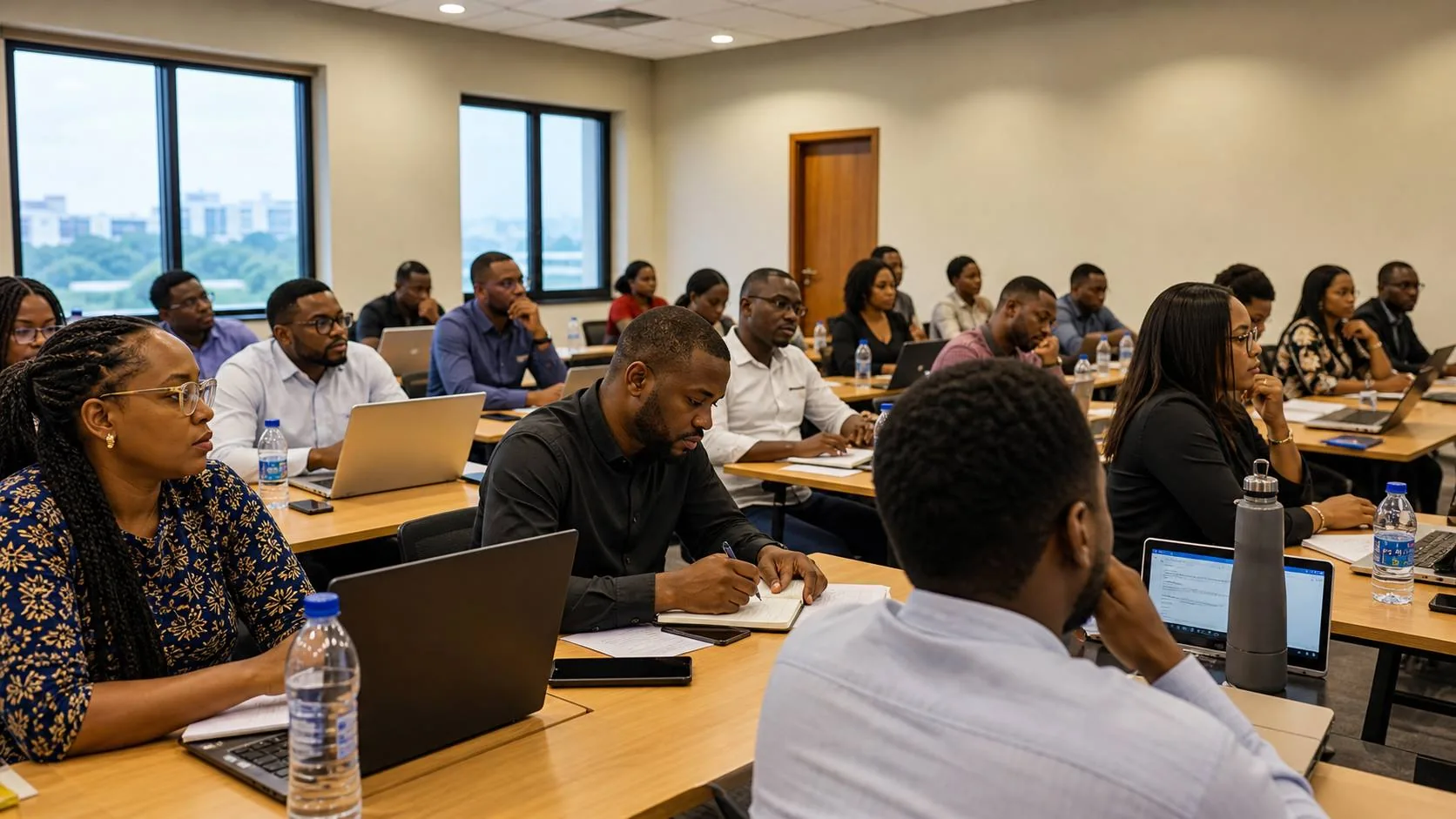
With the baseline clear, managers enter the two-day immersion to learn the method and build their first practical AI-assisted workflow.
After training, we shape the folders, context files, templates, and instructions the team needs for AI to support real work.
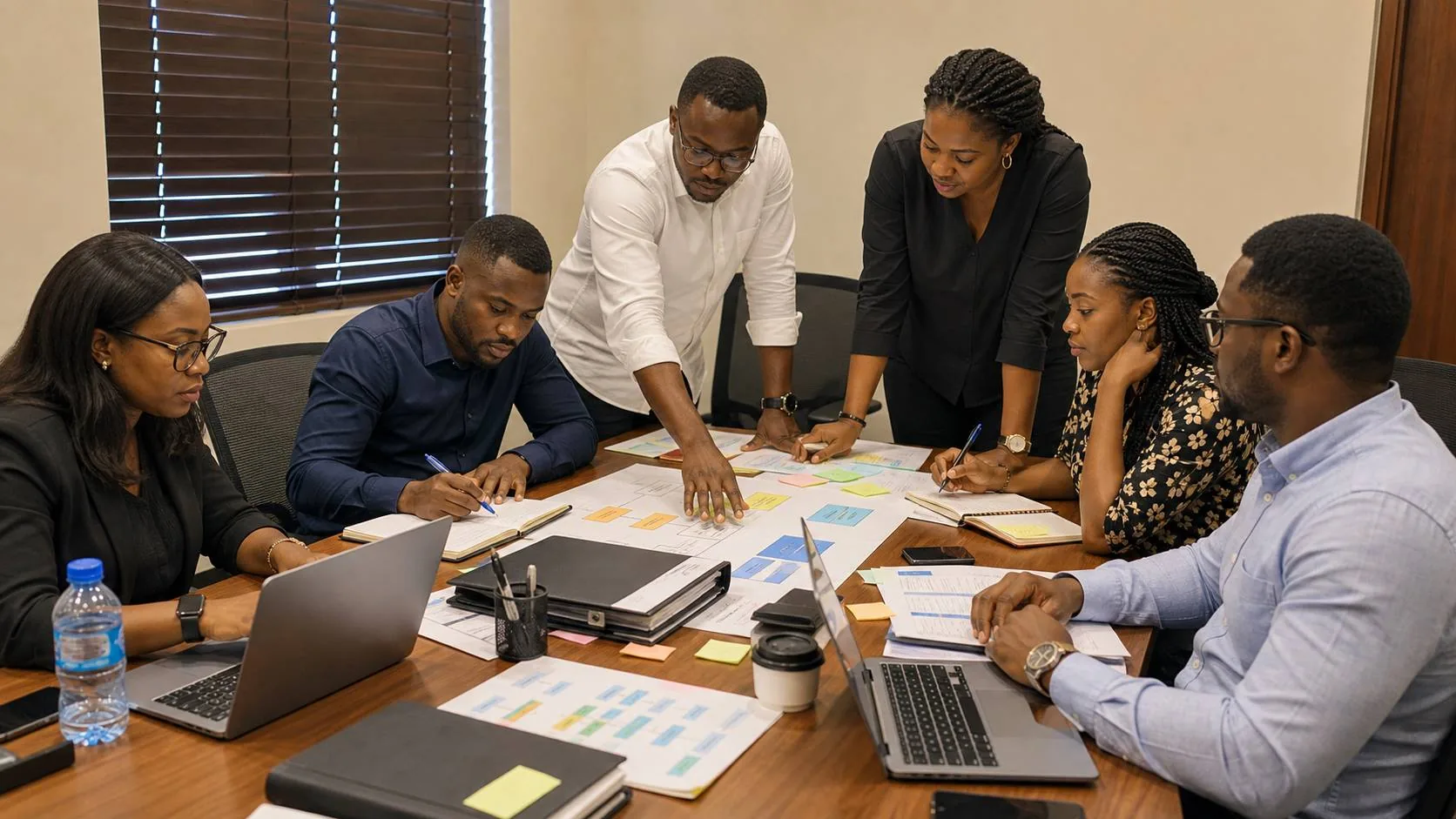
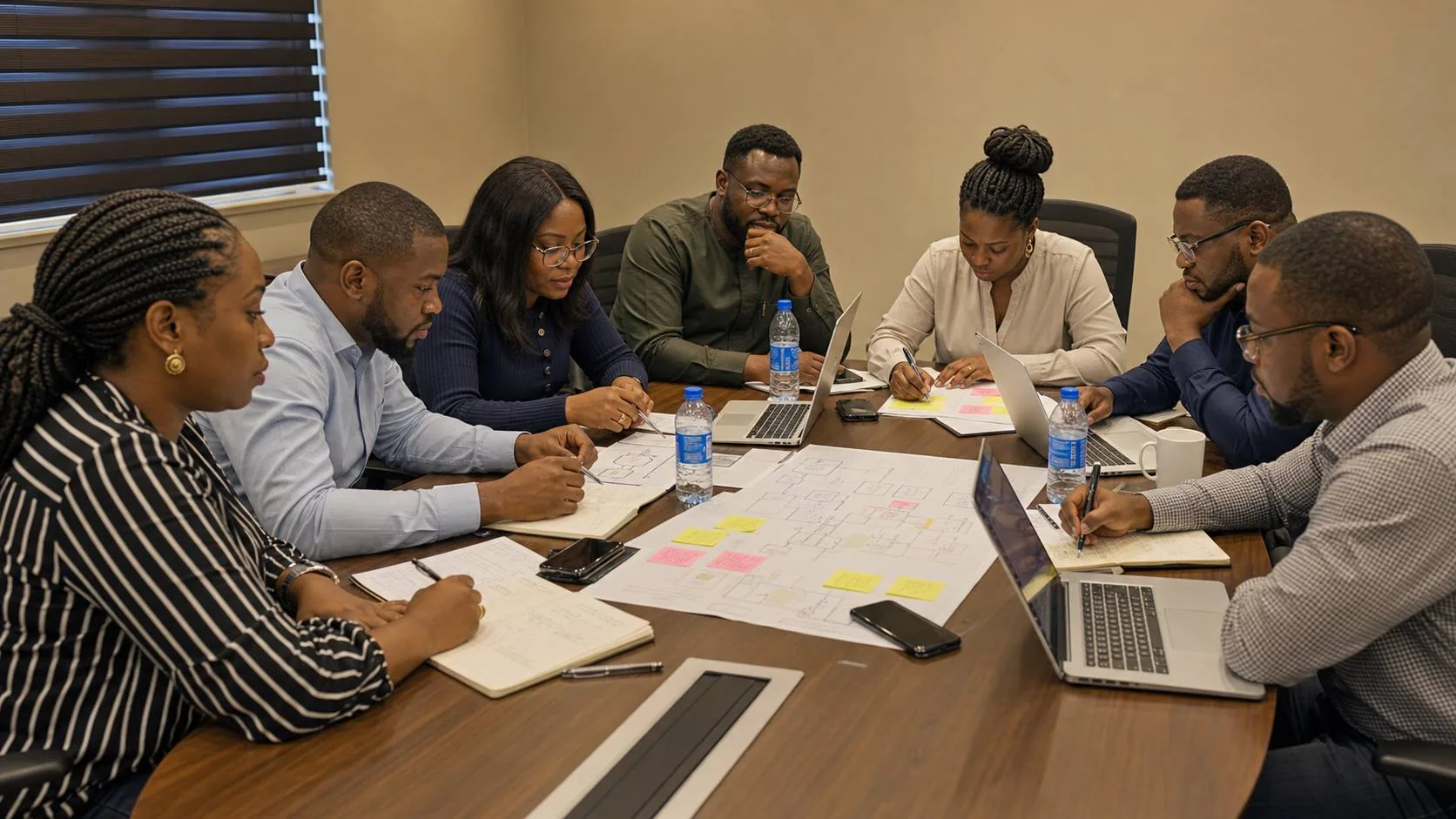
Once the first workflows are active, we support manager check-ins, workflow review, adoption tracking, and improvement over time.
Move from foundational understanding to champion-level governance. The framework now connects training, maturity scoring, workflow builds, and adoption support.
Understand what AI agents are and how they work
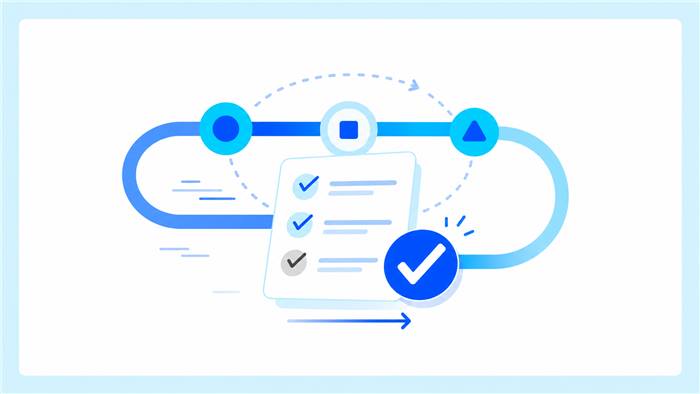
Brief and direct agents inside your daily workflows
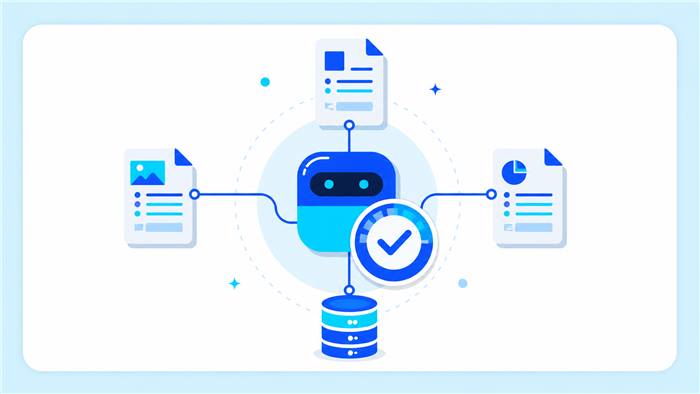
Review outputs and govern agent behavior at scale
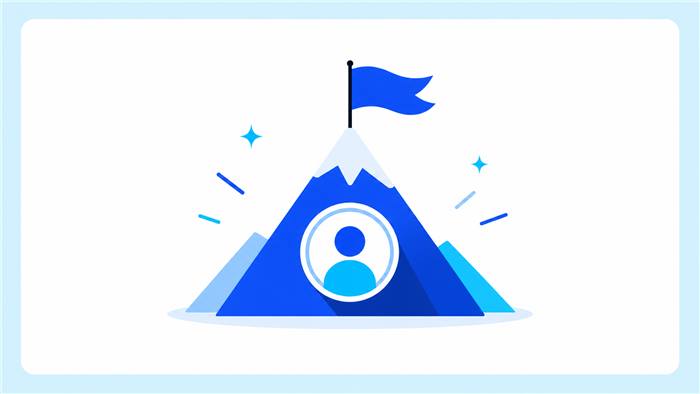
Design systems and lead organizational AI adoption
For full engagements, we give leaders one operating document that connects the diagnostic, the opportunity map, workflow builds, team rules, and the 30/60/90-day adoption plan.
This program is for department heads, managers, and team leads in growing organizations. Finance. Banking. Law. HR. Operations. We teach the people who manage the business how to manage the AI.
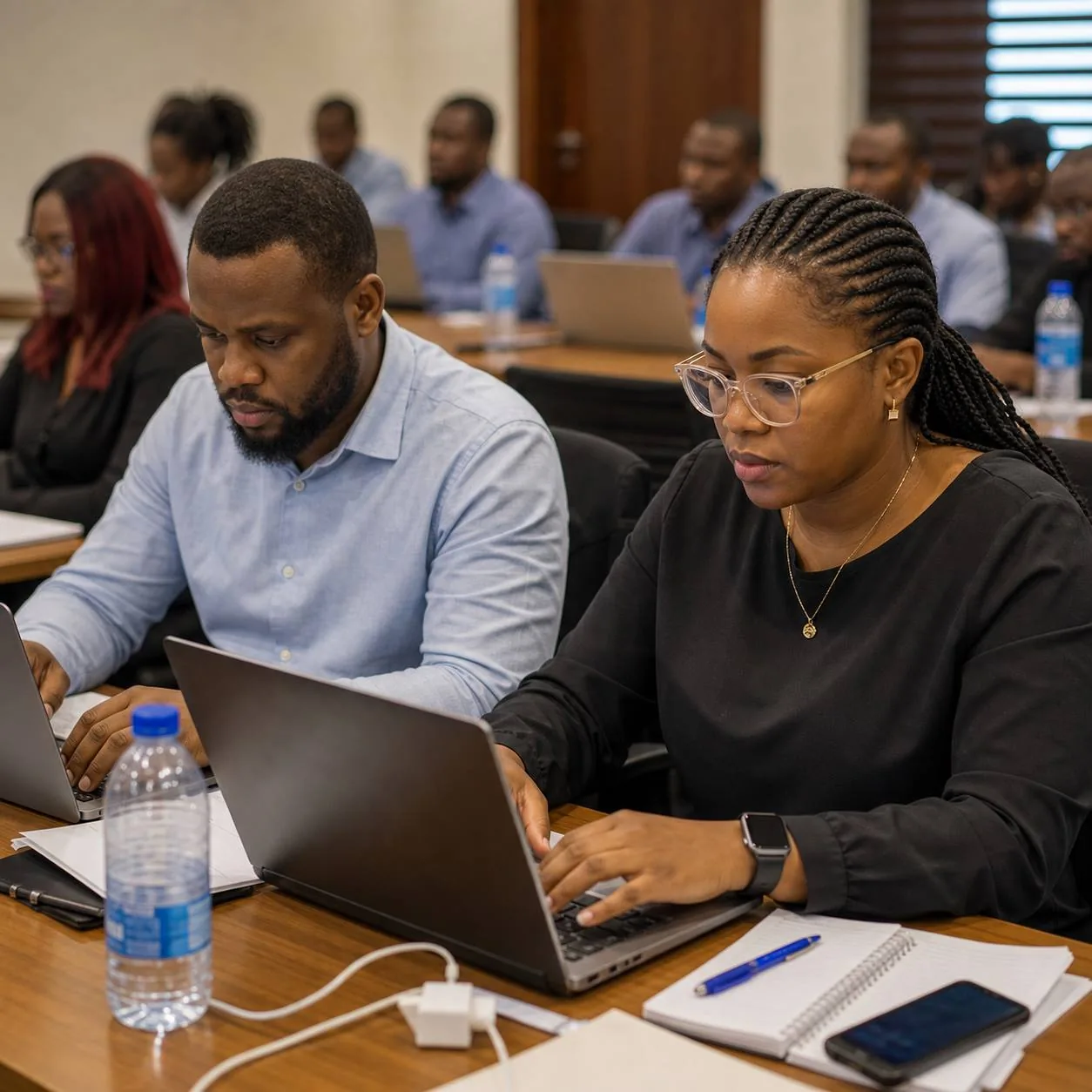
Answers for executives and managers considering AI fluency training.
AI fluency is the ability to use AI tools safely and productively at work. It includes clear instructions, document handling, verification, data protection, workflow design, and human review. It is not about writing better prompts. It is about managing AI agents inside real business systems.
It is for managers, team leads, department heads, senior professionals, founders, HR leaders, and L&D teams. It is not a beginner course for students or a technical course for developers.
Most ChatGPT training teaches prompts. We teach managers how to work with AI assistants and AI agents inside real business workflows. The difference is the difference between talking to a tool and governing a system.
Yes. The framework applies to ChatGPT, Claude, Gemini, Microsoft Copilot, Codex, and future AI work platforms. The tools change. The method does not.
No. The programme is built for non-technical professionals. Participants need normal work experience and the willingness to work differently. Coding knowledge is not required.
It is the diagnostic output that ranks the best first AI use cases for your team. It shows which workflows should start now, which ones need better structure, and which ones carry more risk.
Participants choose one real workflow and build a practical AI-assisted version of it. Examples include meeting notes to action tracker, client brief generator, weekly report assistant, and proposal drafting workspace.
The Playbook brings the work together: maturity scorecard, AI Opportunity Map, workflow builds, team AI rules, data safety checklist, workspace structure, and 30/60/90-day adoption plan.
The client can follow a 30/60/90-day adoption path. The first month focuses on quick wins, the second improves workflows, and the third measures what should scale.
Get your team ready for the new standard of work. Book a consultation to discuss our two-day training program.