Assistant To Agent
Teams learn the difference between asking AI for an answer and directing AI to support a real task.

Our system teaches teams how to build the environment around AI agents, then manage those agents like skilled digital workers.
Most AI training teaches the buttons of one platform. That is useful, but it is not enough. The tools will change. The work will not.
The AI Fluency Master Framework teaches the method behind the tools: how to brief AI clearly, organize the files it needs, protect sensitive data, review outputs, and turn one good use case into a repeatable work habit.
This is why the framework is platform-independent. It can work across ChatGPT, Claude, Gemini, Microsoft Copilot, Codex, and future AI work platforms because the core skill is management, not tool memorization.
Book a ConsultationThe framework gives managers a plain operating method for working with AI agents. It covers the habits that make AI useful inside real files, folders, reports, meetings, and business systems.
Teams learn the difference between asking AI for an answer and directing AI to support a real task.
Managers learn how folders, context files, templates, and naming rules help AI produce better work.
Participants learn how to brief AI with the task, context, constraints, and review standard it needs.
The framework teaches what can be shared, what should be sanitized, and what needs stronger approval.
AI can support the assembly layer, but the manager still owns accuracy, judgment, tone, and accountability.
The team learns the daily routines that make AI use continue after the workshop energy fades.
When the framework becomes a client engagement, it follows a clear path: understand the team, choose the right opportunities, train the leaders, build proof inside real work, and keep the habit alive after training.

Establish the baseline: current AI use, workflow bottlenecks, team habits, tools, and risk.

Turn the findings into a practical AI Opportunity Map, maturity scorecard, and first priorities.

Equip managers and team leads to use AI safely, brief it properly, and review its outputs.

Create one practical AI-assisted workflow so the training produces evidence, not just awareness.

Use a 30/60/90-day rhythm to turn the first workflow into a repeatable team habit.

A clear path from diagnosis to daily execution.
The framework uses four levels so leaders can see where the team is today and what kind of support should come next.
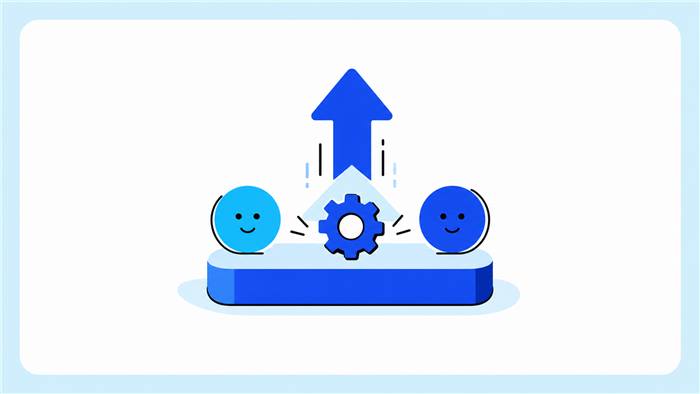
The team knows AI exists and can use basic assistants safely, but still treats AI like a search engine or writing helper.
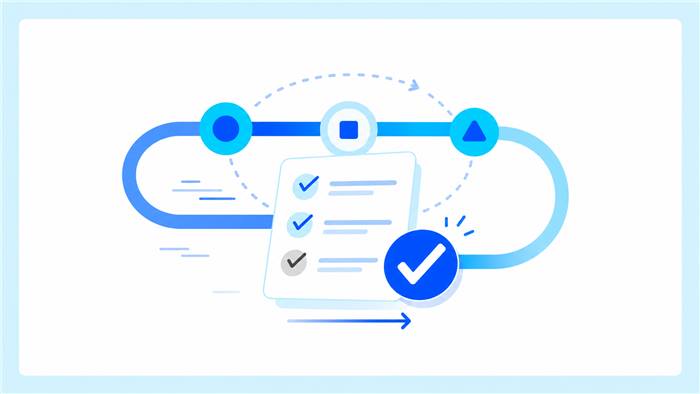
The team uses AI for emails, summaries, reports, and research, but most work still stays inside a chat window.
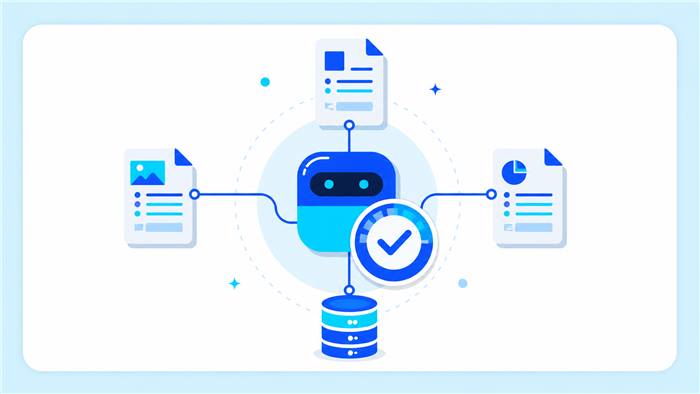
The team works with AI inside real files and folders, gives clear rules, reviews outputs, and saves time on repeated work.
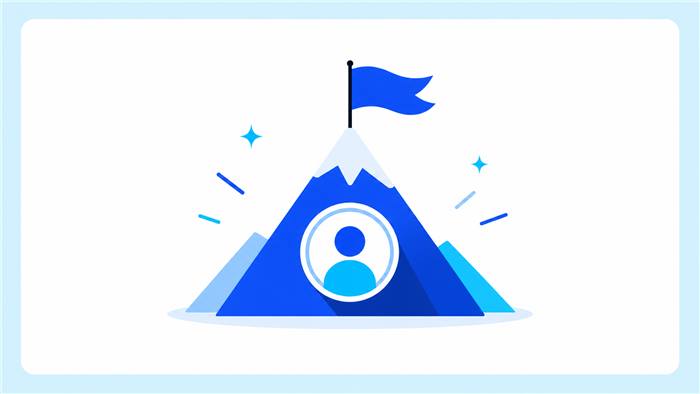
The team can guide others, redesign workflows, set safe AI rules, and help leadership scale adoption responsibly.
The maturity scorecard does not score people to embarrass them. It gives leaders a clear view of what must improve before AI can support more serious work.
Your team learns rules that travel across whichever AI system your company chooses.
The framework is for the people who manage work, teams, documents, clients, and decisions.
The outcome is a team that can direct AI to support structured work, not only answer questions.
Participants leave with workflow builds, review rules, and a clearer plan for adoption after training.
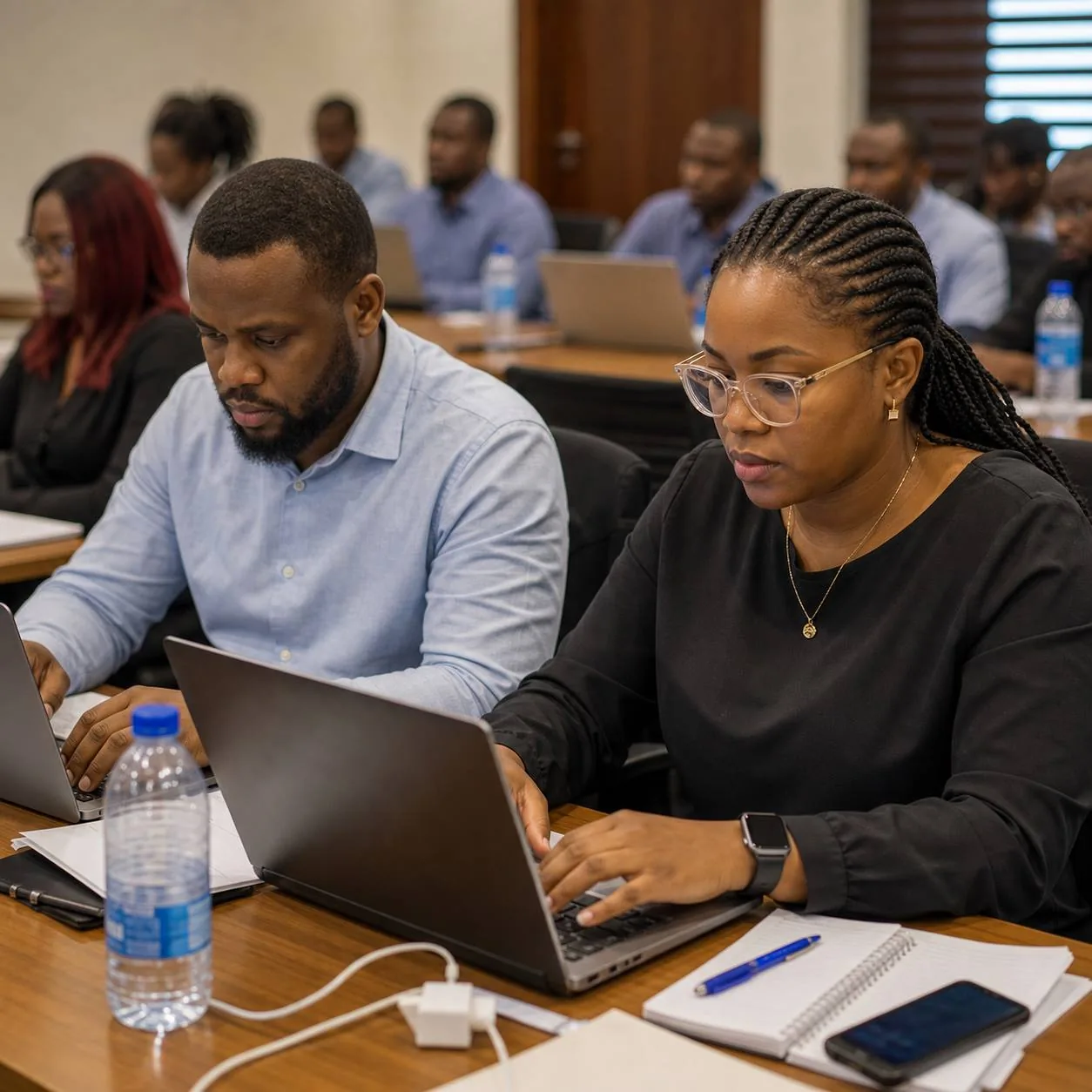
For full engagements, the Playbook becomes the operating document. It connects the diagnostic, the opportunity map, workflow builds, team rules, and the 30/60/90-day adoption plan.